

Blog
Split Ends: How to Fix & Repair Them at Home Without Cutting


Split Ends: The Complete Scientific and Botanical Guide to Fixing Them at Home Without Cutting
Have you ever spent six months to a full year patiently caring for your hair applying nourishing oils, taking nutritional supplements, and hoping for thick, cascading length only to stand in front of your bathroom mirror and feel your heart sink?
You look closely at the ends of your hair, and instead of a smooth, fluid curtain of silk, you see coarse, broom-like twigs. When you run a comb through your lengths, the teeth get trapped in stubborn tangles at the bottom. Individual strands branch off into two, three, or even four frayed filaments.
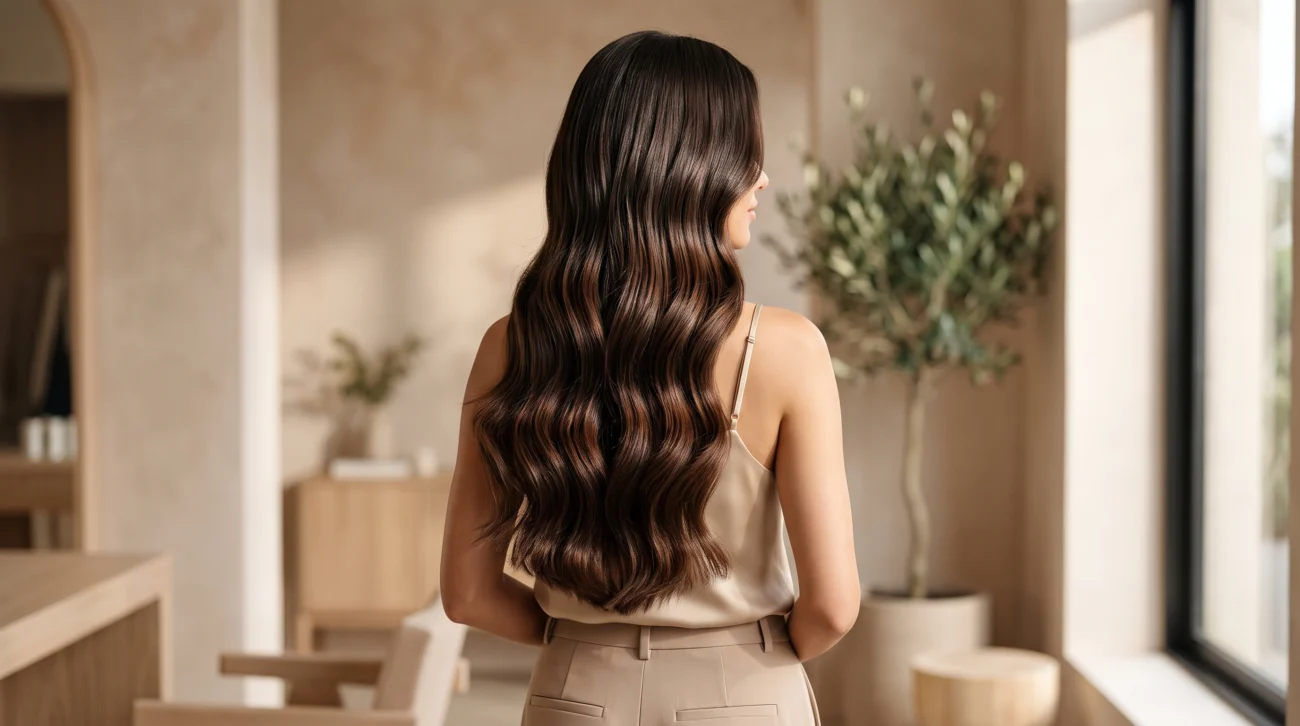
And what happens when you visit a friend, a salon, or a hairdresser? Without a second thought, they reach for the shears and say:
“Bring the scissors! You need to cut at least four to five inches off the bottom, otherwise these split ends will ruin the rest of your hair!”
Let’s be honest: it is deeply disheartening. An entire year of dedicated care, patience, and growth sacrificed in thirty seconds simply because split ends developed along the edges.
And what is the real tragedy? Even after you sacrifice your precious length and chop off those inches, what happens two or three months later? Split ends return in the exact same place!
If you are exhausted by this endless cycle of cutting and re-splitting, and you want to preserve every single centimeter of your hard-earned growth while restoring dry ends on authentic botanical and biological foundations, this comprehensive guide is written for you.
What Causes Split Ends? (The Underlying Hair Biology)
Before exploring topical remedies, it is vital to understand the structural anatomy of the hair shaft. Once you comprehend why split ends develop in the first place, you will never fall for misleading commercial promises or unnecessary haircuts again.
Every single strand of hair on your head is structured much like a woven marine rope. Inside the core (the cortex), bundles of fibrous keratin protein filaments are tightly coiled together. Nature protects this structural core with an outer layer of microscopic overlapping scales, known scientifically as the Cuticle.
Under healthy conditions, these cuticle scales lie completely flat, flush, and compact. They form a protective lipid envelope that locks internal moisture within the cortex, reflects ambient light to create a natural glass-like shine, and allows adjacent hair strands to glide smoothly past each other without snagging.
Why Do the Bottom Ends Suffer First?
Your scalp houses active sebaceous glands that produce sebum a specialized blend of natural lipids designed to lubricate and shield the hair shaft.
While this sebum easily coats the first few inches near your scalp, it cannot travel down to the ends once your hair grows past shoulder length. The bottom three to four inches of your hair are literally the oldest strands on your head often between two to four years old! They have endured hundreds of washes, years of sun exposure, seasonal weather changes, friction from clothing, and mechanical styling.
When these thirsty, vulnerable ends are subjected to:
-
High-heat flat irons and blow dryers exceeding 200°C (392°F),
-
Aggressive detangling with fine-toothed plastic combs while the hair is soaking wet,
-
Harsh sodium lauryl sulfate (SLS) shampoos that strip natural structural lipids, and
-
Nightly mechanical friction against abrasive cotton pillowcases…
The microscopic cuticle scales singe, crack, and break away. Once this protective outer sheath is stripped, the inner keratin protein bundles untwist and separate. The hair fiber fractures lengthwise, giving birth to split ends.
Cutting the hair with scissors removes the fractured tip temporarily, but because the underlying structural dehydration and missing cuticle shield are never addressed, the fresh cut simply fractures open again weeks later. To solve split ends permanently, you do not need shears you need targeted protein replenishment, deep biological hydration, and lipid sealing.
The 3-Step Botanical Protocol to Fix Split Ends at Home
This three-stage home care protocol is formulated to replenish lost cortical moisture, seal open cuticle edges, and cleanly isolate damaged ends without sacrificing your overall hair length.
Step 1: The Deep Keratin and Moisture Restorative Mask
The first step in rehabilitating split ends is supplying bio-compatible proteins and plant humectants to smooth down frayed keratin fibers and restore structural elasticity.
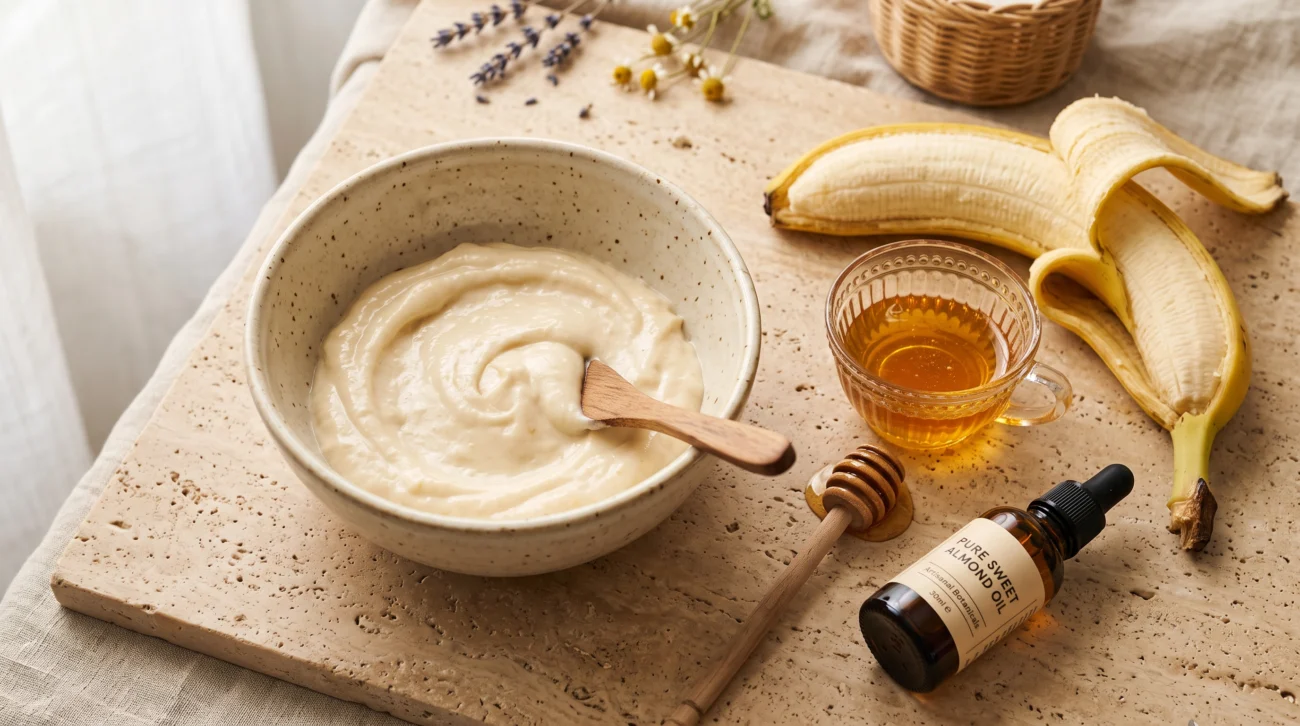
Prepare this targeted four-ingredient botanical mask:
| Natural Ingredient | Ideal Quantity | Biological Function & Mechanism |
| Fully Ripe Banana | 1 Medium (Pureed completely smooth) | Abundant in bio-available potassium, natural carbohydrates, and silica. Silica fortifies tensile strength, preventing fragile ends from snapping into split ends. |
| Egg Yolk (or Thick Greek Yogurt) | 1 Egg Yolk (or 3 Tbsp Yogurt) | Egg yolk delivers rich lecithin, biotin, and fatty acids that temporarily bind fractured keratin fibers together. Thick plain yogurt provides lactic acid to soften rough cuticles. |
| Pure Raw Honey | 1 Tablespoon | A potent natural humectant that attracts ambient moisture molecules and binds them directly into dry, porous hair shafts. |
| Cold-Pressed Sweet Almond or Olive Oil | 1 Tablespoon | Provides oleic and linoleic fatty acids that lubricate coarse fibers and facilitate deep nutrient penetration. |
Detailed Preparation and Application:
-
Blend Thoroughly: Place the ripe banana in a blender with a splash of water and blend until it reaches a velvety, lump-free baby-food consistency. Filtering the puree through a fine sieve or clean muslin cloth ensures zero banana pulp gets stuck in your strands during washing.
-
Whisk the Mixture: Whisk the banana puree with the egg yolk (or plain yogurt), raw honey, and sweet almond oil in a clean ceramic bowl until completely emulsified.
-
Targeted Application (Not on the Scalp): This formulation is engineered specifically for lengths and ends, not your scalp follicles. Part your hair down the center and apply the mask generously starting from ear-level down to the tips, concentrating heavily on the bottom four inches where split ends are clustered.
-
Gentle Working: Gently work the cream into the frayed tips using your fingertips so the emulsion saturates the porous fibers.
-
Processing Time: Secure your hair under a clean shower cap to trap body heat, allowing the nutrients to absorb for 35 to 40 minutes.
-
Rinse: Rinse thoroughly with lukewarm or cool water, followed by a gentle, sulfate-free herbal cleanser.
From the very first application, the coarse, broom-like texture will soften noticeably, and frayed cuticles will smooth down by up to 70%.
Step 2: The “Ends Sealing” Technique (Locking Moisture In)
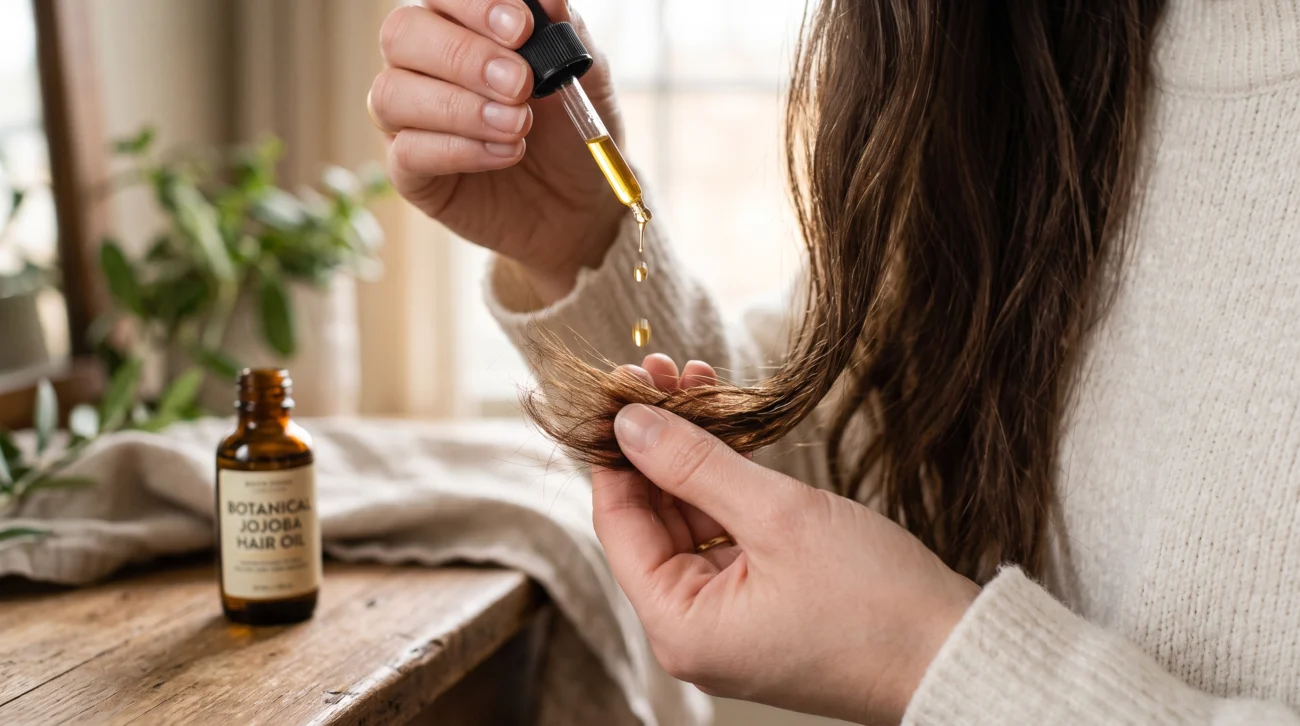
Applying a restorative mask without sealing the ends is like pouring water into a cracked vase within 48 hours, ambient indoor air, fans, and sun exposure will evaporate the hydration, causing split ends to flare up again. In cosmetic science, this protective step is known as Ends Sealing.
How to Properly Seal Your Hair Tips:
-
Gentle Water Extraction: After washing your hair, never rub your strands with a traditional rough terrycloth towel. Instead, gently squeeze excess moisture using an old soft cotton T-shirt or a microfiber towel.
-
The 80% Dry Window: Allow your hair to air-dry until it is roughly 80% dry meaning your strands are no longer dripping wet, yet still feel cool and damp to the touch. This dampness represents the vital internal hydration you want to seal.
-
Dispense Cold-Pressed Oil: Dispense only 3 to 4 drops of cold-pressed jojoba oil, pure sweet almond oil, or unrefined argan oil onto your palms. Avoid using excessive amounts; a few concentrated drops are sufficient.
-
Thermal Activation: Rub your palms together for three seconds to distribute and gently warm the oil film.
-
Targeted Application: Glide your palms exclusively over the bottom two to three inches of your hair, smoothing downward toward the tips. Do not bring your hands near your roots or upper mid-lengths.
Why This Works:
The botanical oil forms a microscopic hydrophobic film over the newly hydrated cuticles. This breathable barrier prevents internal moisture loss while shielding vulnerable tips against daily environmental friction. By keeping the fibers supple, you prevent split ends from forming.
Step 3: “Hair Dusting” at Home (Eliminating Splits Without Losing Length)
What should you do about the tips that have already split into jagged branches?
Scientifically speaking, a hair fiber that has split into multiple sections cannot biologically heal back into a single strand permanently; the dead, frayed tip must be cleanly isolated to prevent the fissure from tearing further up the hair shaft.
However, you do not need to cut off four inches of healthy length to eliminate them. You can easily perform a professional technique called Hair Dusting at home:
-
Work on Dry, Detangled Hair: Ensure your hair is 100% dry and thoroughly detangled using a wide-toothed wooden comb.
-
Isolate a Fine Section: Take a very thin section of hair, approximately the thickness of an ordinary pencil.
-
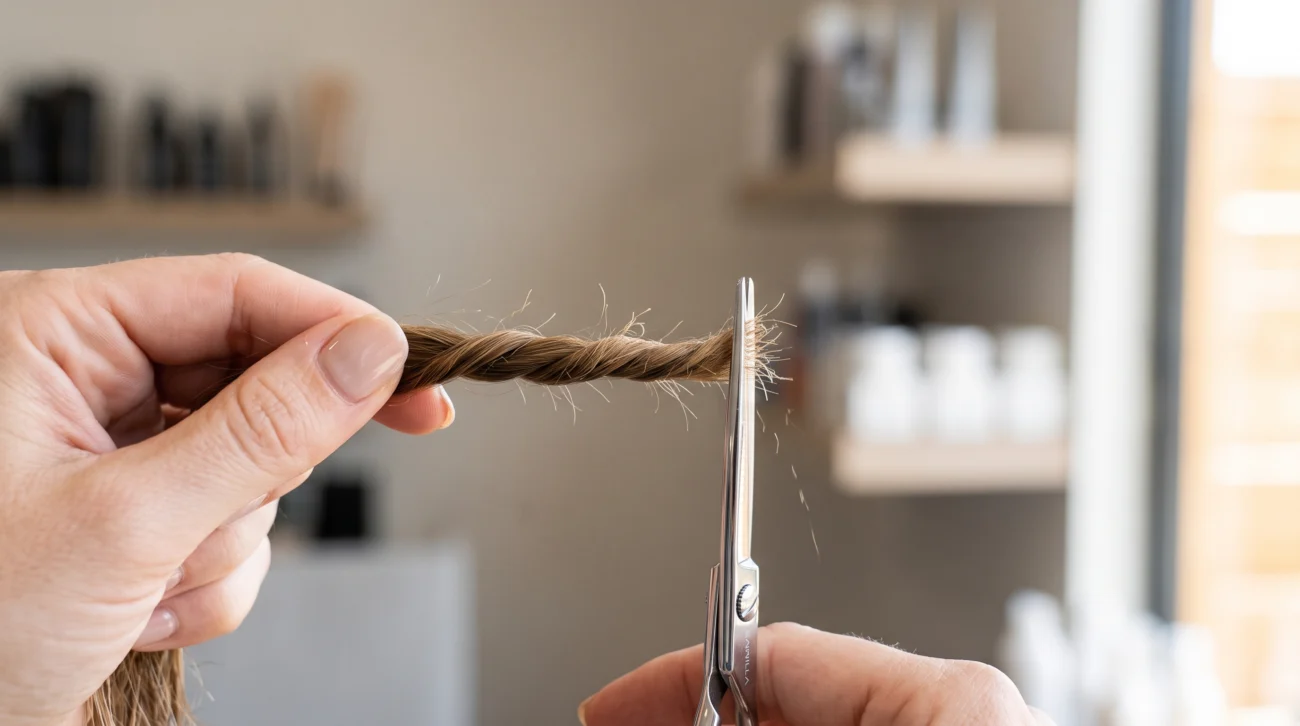
Twist the Strand: Twist this section tightly around your finger like a cord, working from top to bottom.
-
Expose the Damaged Tips: As you twist, healthy hair remains aligned within the spiral, while dry, frayed tips and split ends naturally pop out along the sides like tiny bristles.
-
Snip with Precision: Take a pair of dedicated, razor-sharp hair shears (never use household paper scissors, as blunt blades crush the hair cuticle). Carefully snip only the tiny damaged tips protruding along the twisted cord.
By performing hair dusting, you will eliminate over 90% of your split ends across your entire head without losing even a single millimeter of overall hair length!
Watch the Complete Practical Demonstration
To observe the precise consistency of the banana-honey restoration mask, the gentle ends-sealing technique, and the step-by-step hair dusting method demonstrated visually in detailed Urdu, watch the comprehensive tutorial below:
[EMBED YOUR YOUTUBE VIDEO HERE / INSERT VIDEO LINK]
(Video URL:
[https://www.youtube.com/watch?v=YOUR_VIDEO_ID](https://www.youtube.com/watch?v=YOUR_VIDEO_ID))
In this detailed video guide from Shifaiya Care, every step is demonstrated up close, showing you practical hand movements and pro tips to preserve your hair length.
3 Daily Habits That Continuously Trigger Split Ends
If you do not correct the daily physical triggers that damage your hair cuticles, split ends will inevitably return. Make these three non-negotiable adjustments:
-
Never Detangle Soaking Wet Hair with Fine Plastic Combs: When hair fibers absorb water, internal hydrogen bonds temporarily weaken, causing wet strands to stretch up to 30% beyond their natural elasticity. Dragging a fine plastic comb through wet tangles tears the swollen cuticles right off, creating stubborn split ends. Always let hair reach 80% dryness, then detangle gently from the ends upward using a seamless wooden wide-tooth comb.
-
Eliminate Unprotected Heat Styling: Flat irons and curling wands press directly against unlubricated hair fibers, boiling trapped moisture into internal vapor pockets (known clinically as “bubble hair”). If you must use heat tools, always prep your mid-lengths and ends with a clean silicone-free thermal protectant, and keep temperatures strictly below 180°C (356°F).
-
Ditch Abrasive Cotton Pillowcases: Traditional cotton fabric is naturally porous and fibrous; it absorbs protective oils from your hair while you sleep and generates continuous friction as you toss and turn. Switch to a 100% pure mulberry silk or smooth satin pillowcase, or secure your hair in a loose, low braid using a satin scrunchie before sleeping to shield against split ends.
Comprehensive Frequently Asked Questions (Detailed SEO FAQs)
Q1: Can split ends ever be permanently re-fused back together?
A: No topical cosmetic formulation can permanently fuse severely split ends back into their original unbroken state. Hair strands consist of non-living, keratinized protein structures without blood vessels or cellular division, meaning they cannot regenerate like skin tissue. However, protein-rich botanical masks (containing egg yolk, yogurt, and banana) temporarily bond and laminate the frayed edges flat, making them feel soft and look seamless, while the “Hair Dusting” technique cleanly removes the fractured tips without sacrificing overall length.
Q2: How often should I perform Hair Dusting at home to manage split ends?
A: Hair dusting should be performed once every 6 to 8 weeks. Because you are only removing the microscopic damaged tips that pop out from twisted sections, dusting preserves your baseline length while preventing small micro-fissures from migrating upward into the healthy shaft.
Q3: Why do split ends make hair stop growing in length?
A: This is a common optical illusion. Your hair follicles in the scalp continue to produce new growth at an average rate of half an inch per month. However, when the bottom ends suffer from severe split ends, the fragile ends snap off at the exact same rate the hair grows from the roots. As a result, your overall length appears stuck at a plateau for months or years.
Q4: Does regular hair oiling prevent split ends from developing?
A: Yes, but only when applied correctly. Applying heavy oil strictly to the scalp does not protect your dry ends. To effectively shield against split ends, you must practice targeted “ends sealing”applying 3 to 4 drops of lightweight cold-pressed oil (such as sweet almond or jojoba oil) directly to the bottom two inches of damp hair after every single wash.
Q5: Can using household paper scissors for trimming worsen split ends?
A: Absolutely. Household paper or kitchen scissors have thick, blunt, beveled blades designed for shearing dense fibers, not fine biological filaments. When used on hair, blunt blades crush and mash the cuticle layers rather than making a clean, perpendicular slice. This mechanical trauma causes the newly cut tip to fray into fresh split ends within a matter of days. Always invest in a pair of sharp, dedicated stainless steel hair shears.
Q6: Can chemical hair dyes and henna contribute to split ends?
A: Yes. Permanent chemical dyes utilize alkaline agents (such as ammonia) to lift the cuticle scales so synthetic pigments can enter the cortex, leaving the ends porous and prone to splitting. Natural henna, while chemical-free, can also be drying if applied alone. Whenever applying herbal henna, always blend in a tablespoon of plain yogurt, a teaspoon of raw honey, and a splash of olive oil to keep the ends moisturized and prevent split ends.
Q7: What is the primary difference between hair breakage and split ends?
A: Split ends represent a vertical fracture where an individual strand splits lengthwise into two or more distinct branches at the tip. Hair breakage, on the other hand, is a horizontal fracture where a weakened or brittle strand snaps clean across the middle. Both conditions stem from the same root cause: severe cuticle erosion and internal moisture depletion.
Q8: Will taking biotin or collagen supplements cure existing split ends?
A: Nutritional supplements containing biotin, zinc, iron, and amino acids support active matrix cells in your scalp follicles, ensuring that new hair emerges strong and resilient. However, because ingested nutrients travel via blood circulation, they have no biological pathway to reach or repair the dead, pre-existing hair ends three feet away from your head. Supplements optimize future growth, while botanical masks and dusting protect existing lengths against split ends.
Q9: Can hot water showers cause split ends?
A: Yes. Steaming hot water strips the delicate lipid mantle that coats your hair fibers. When natural oils are washed away, the cuticle scales flare open, allowing internal hydration to escape into the air. Always wash your lengths with lukewarm water, and finish with a brief cool rinse to snap the cuticles shut and stop split ends.
Q10: How long does it take to see visible improvements using this botanical protocol?
A: You will feel an immediate transformation in touch and texture after the very first banana-honey protein mask and warm ends-sealing session the rough, straw-like friction will diminish by up to 70%. When combined with a single session of hair dusting, over 90% of visible split ends will be eliminated, allowing your hair to grow longer, thicker, and unbroken month after month.
Important Safety Precaution (Patch Test Advisory)
Every individual’s hair porosity, scalp biome, and biological sensitivity are unique. If you have an active scalp dermatological issue such as eczema lesions, open abrasions, fungal folliculitis, or severe inflammatory psoriasis avoid applying any DIY concoctions without professional guidance. Always perform a simple 24-hour patch test by applying a small dab of the prepared mask or botanical oil behind your ear or along your inner wrist before full application. Prioritizing your skin’s health is the bedrock of natural self-care.
Long, silky, and lustrous hair is never the result of aggressive haircuts or salon chemicals; it is cultivated through consistent, gentle habits and bio-compatible botanical nutrition. Release the fear of the scissors, protect your delicate ends, and treat your hair with the care it deserves.
Have you ever been pressured into cutting off inches of your hair because of split ends? Which of these three restorative steps are you most excited to try this week? Share your personal experiences and questions in the comments below I read and reply to your messages to help you customize your home hair care routine!

